What a ₹1 crore FD earns an HNI after tax and inflation
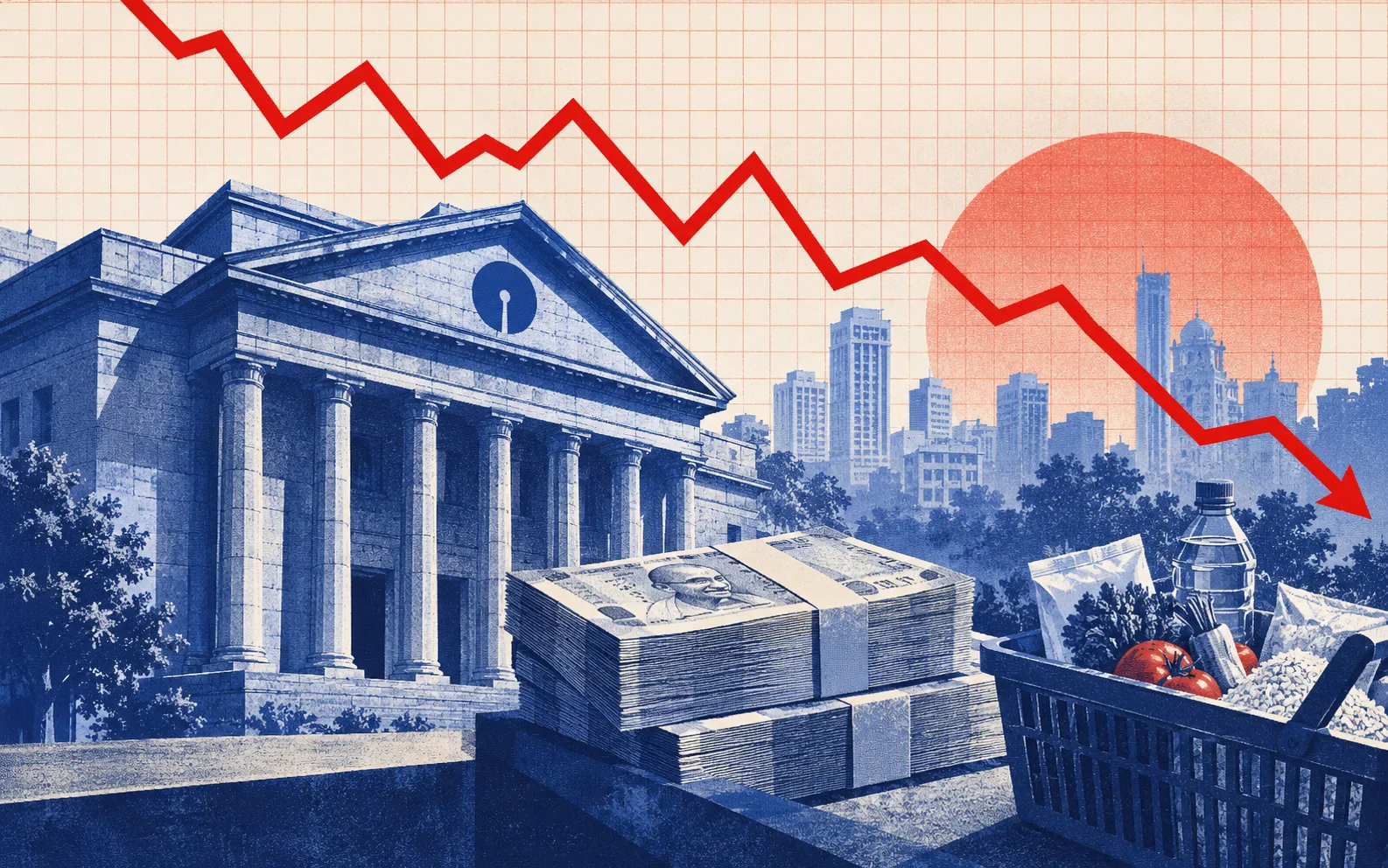
Retail inflation was 5.54% in September. SBI pays 6.40% on a two-year deposit. For anyone with income above ₹50 lakh, surcharge pushes the tax on that interest to between 34% and 39%, and the deposit loses ground to prices.
Was this forwarded to you? Sign up to get Compound in your inbox.
MoSPI's provisional figure puts retail inflation at 5.54% in September 2026, up from 4.83% in August, with food inflation at 7.74%. SBI's two-year deposit pays 6.40%.
Before tax, the deposit is ahead of prices by 0.86 percentage points. After tax, for an HNI, it is behind.
The rate SBI pays
From SBI's rate card for deposits below ₹3 crore:
| Deposit | General | Senior citizen |
|---|---|---|
| 1 year to under 2 years | 6.25% | 6.75% |
| 2 years to under 3 years | 6.40% | 6.90% |
| 5 years to 10 years | 6.05% | 7.05% |
| Non-callable, ₹1 crore and above, 2 years | 6.60% | 7.10% |
A non-callable deposit cannot be broken before maturity, which is why it pays a little more.
The tax on interest at your income
FD interest is taxed at your slab rate, and above ₹50 lakh of income a surcharge is added to the tax, then a 4% cess on both. Under the new regime, the Finance Bill 2026 sets the top slab at 30% and the surcharge at:
| Total income | Surcharge | Tax on the last rupee of interest |
|---|---|---|
| ₹50 lakh to ₹1 crore | 10% | 34.32% |
| ₹1 crore to ₹2 crore | 15% | 35.88% |
| Above ₹2 crore | 25% | 39.00% |
The new regime caps the surcharge at 25%. Under the old regime it rises to 37% above ₹5 crore, which takes the rate on interest to 42.74%.
What the deposit keeps
After tax, and against September's inflation:
| Your tax on interest | 6.40% FD | 6.60% non-callable | 7.05% senior citizen |
|---|---|---|---|
| 34.32% | 4.20%, real −1.27% | 4.33%, real −1.14% | 4.63%, real −0.86% |
| 35.88% | 4.10%, real −1.36% | 4.23%, real −1.24% | 4.52%, real −0.97% |
| 39.00% | 3.90%, real −1.55% | 4.03%, real −1.43% | 4.30%, real −1.17% |
The real return is the after-tax rate adjusted for inflation: (1 + after-tax rate) ÷ (1 + inflation) − 1.
On ₹1 crore
Take ₹1 crore at 6.40% for an investor with income above ₹2 crore under the new regime:
- interest for the year: ₹6,40,000
- tax at 39%: ₹2,49,600
- kept: ₹3,90,400
- what 5.54% inflation adds to the cost of the same things: ₹5,54,000
The deposit grows in rupees but falls behind by about ₹1.64 lakh in what the money can buy.
Why this falls hardest on HNIs
The surcharge applies in full to interest. For dividends, and for gains taxed at the special capital gains rates such as those on listed shares and equity funds, the same Finance Bill caps the surcharge at 15%. So at an income above ₹2 crore, interest bears 39% while a long-term gain on equity, taxed at 12.5% above ₹1.25 lakh a year, bears 14.95% once the capped surcharge and cess are added. We set out the capital gains rates for this year separately.
Debt mutual funds bought from 1 April 2023 are taxed at your slab rate, like interest, so their gains carry the same 34% to 39%.
What these figures leave out
- September's 5.54% is one month's provisional reading against the same month last year. The inflation you face over a deposit's term may be higher or lower, and depends on what your household spends on.
- A deposit locks in its rate for the term. If rates fall, an existing deposit keeps paying the old rate.
- DICGC deposit insurance covers principal and interest up to ₹5 lakh per depositor per bank, so most of a ₹1 crore deposit relies on the bank itself.
- Some investors pay a lower rate on part of their interest, for example below ₹50 lakh of income or under the old regime with deductions.
Questions
- How much tax does an HNI pay on FD interest?
- Under the new regime, interest is taxed at 30% plus surcharge and 4% cess: 34.32% for income of ₹50 lakh to ₹1 crore, 35.88% for ₹1 crore to ₹2 crore, and 39% above ₹2 crore.
- What is the real return on an FD now?
- At SBI's 6.40% two-year rate and September 2026's 5.54% inflation, the after-tax real return is between −1.27% and −1.55% a year for incomes above ₹50 lakh.
- How much does a ₹1 crore FD keep after tax?
- At 6.40% and a 39% tax rate, ₹6.40 lakh of interest becomes ₹3.90 lakh after tax.
- Why is the tax on equity gains lower for HNIs?
- The Finance Bill caps the surcharge at 15% on dividends and on gains taxed at the special capital gains rates, such as on listed shares and equity funds, while interest carries the full surcharge of up to 25% under the new regime.
- Is a ₹1 crore deposit fully insured?
- No. DICGC insurance covers principal and interest up to ₹5 lakh per depositor per bank.
Sources
- MoSPI, Consumer Price Index press release, September 2026
- SBI, Retail domestic term deposit rates (effective 15 December 2025; non-callable rates effective 19 October 2026)
- Government of India, Finance Bill 2026, Memorandum explaining the provisions
- DICGC, Guide to deposit insurance
Compound is analysis, not investment advice. Reva Money is not a SEBI-registered investment adviser.